
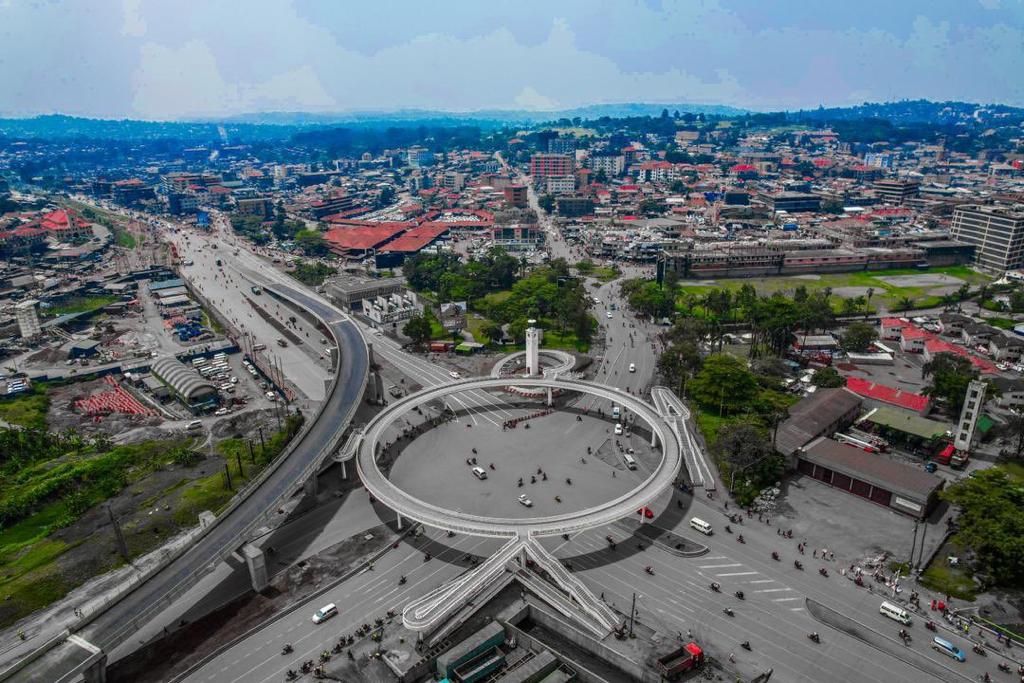
Kampala, the vibrant capital city of Uganda, has undergone a remarkable transformation in recent years, with significant infrastructure developments catalyzing growth across various sectors. Among these sectors, the real estate industry stands out as a prime beneficiary of Kampala’s evolving infrastructure landscape. This article delves into the symbiotic relationship between infrastructure development and the flourishing real estate market in Uganda’s bustling capital.
- Infrastructure as a Catalyst for Economic Growth: Infrastructure development plays a pivotal role in driving economic growth by enhancing connectivity, facilitating trade, and attracting investment. In Kampala, strategic investments in roads, bridges, public transportation, and utilities have significantly improved accessibility and livability, consequently fueling economic activities.
- Accessibility and Connectivity: The expansion and improvement of road networks, such as the Kampala-Entebbe Expressway and Northern Bypass, have alleviated traffic congestion and reduced commuting times, making distant suburbs more accessible for residential and commercial development. Improved connectivity has not only spurred urban expansion but has also attracted businesses to set up shop in previously under-served areas.
- Urban Renewal and Regeneration: Infrastructure projects often serve as catalysts for urban renewal and regeneration. The development of modern amenities, including shopping malls, hotels, and recreational facilities, has transformed Kampala’s skyline. As infrastructure projects breathe new life into neighborhoods, property values surge, prompting developers to invest in high-rise residential and commercial complexes.
- Housing Development and Urbanization: The influx of rural migrants and a burgeoning middle class have fueled the demand for housing in Kampala. Infrastructure improvements, coupled with government initiatives to promote affordable housing, have spurred the construction of residential units across the city. From upscale apartments in Kololo to affordable housing estates in Namugongo, Kampala’s real estate market caters to diverse income brackets.
- Commercial Real Estate Boom: Kampala’s status as a regional business hub has attracted multinational corporations, financial institutions, and tech startups, driving demand for office space. Infrastructure enhancements, such as the construction of modern office complexes and business parks, have accommodated this surge in demand, contributing to the city’s commercial real estate boom.
- Tourism and Hospitality Sector: Kampala’s growing reputation as a tourist destination has led to an expansion in the hospitality sector. The development of world-class hotels, conference centers, and entertainment venues has not only boosted tourism but has also catalyzed the growth of ancillary services, including property management and vacation rentals.
- Challenges and Opportunities: While Kampala’s infrastructure-led real estate boom presents numerous opportunities, it also poses challenges. Rapid urbanization strains existing infrastructure, leading to service delivery gaps and environmental degradation. Additionally, disparities in access to housing and infrastructure exacerbate social inequalities, necessitating inclusive urban planning strategies.
The nexus between infrastructure development and real estate growth in Kampala exemplifies the transformative power of strategic investments in urban infrastructure. As Uganda continues to prioritize infrastructure development, stakeholders must adopt holistic approaches that leverage the synergies between infrastructure, real estate, and sustainable urban development to ensure inclusive and resilient growth for all residents of Kampala.