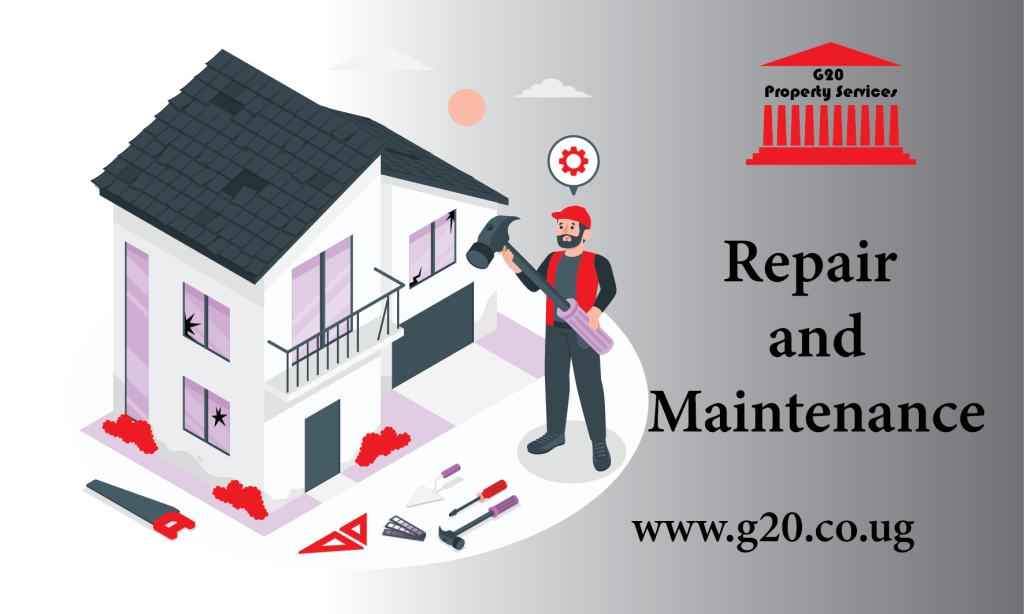
When it comes to real estate in Uganda, landlords and property owners often find themselves grappling with a myriad of repair and maintenance issues. From routine upkeep to unexpected emergencies, these challenges can significantly impact both the value of the property and the satisfaction of tenants. Understanding and effectively managing these issues is crucial for ensuring the long-term success and profitability of real estate investments in Uganda.
Infrastructure and Quality Concerns
One of the primary challenges facing real estate owners in Uganda is the state of infrastructure and construction quality. Many properties, especially in urban areas, are plagued by substandard construction practices and lack proper maintenance. This leads to a host of problems, including structural issues, plumbing leaks, electrical failures, and roofing problems.
Poor infrastructure not only compromises the safety and comfort of tenants but also increases the frequency and cost of repairs. Additionally, it can deter potential tenants from renting or renewing leases, ultimately affecting the property’s occupancy rates and rental income.
Tenant Turnover and Communication
High tenant turnover is another common issue in Uganda’s real estate market, often stemming from dissatisfaction with the condition of the property and the responsiveness of landlords to repair requests. Failure to address maintenance issues promptly can result in tenant frustration and ultimately lead to vacancies, loss of rental income, and additional expenses associated with finding new tenants.
Effective communication between landlords and tenants is essential for addressing repair and maintenance concerns in a timely manner. Property owners should establish clear channels of communication and promptly respond to tenant inquiries and repair requests. Regular inspections and proactive maintenance can also help identify potential issues before they escalate into costly repairs.
Lack of Skilled Labor and Resources
The availability of skilled labor and resources for repair and maintenance work is another significant challenge in Uganda’s real estate sector. Limited access to qualified contractors, technicians, and materials can delay repairs and drive up costs for property owners. Moreover, the quality of workmanship may vary, leading to recurring issues and the need for frequent repairs.
To overcome this challenge, real estate investors and property managers must invest in building relationships with reliable contractors and suppliers. Establishing long-term partnerships with trusted service providers can ensure timely and high-quality repairs while minimizing downtime and expenses.
Financial Constraints and Budgeting
Managing repair and maintenance expenses within budget constraints is a constant balancing act for property owners in Uganda. While regular maintenance is essential for preserving the value of the property and enhancing tenant satisfaction, allocating sufficient funds for these activities can be challenging, particularly for small-scale investors and landlords.
Developing a comprehensive maintenance plan and budgeting for routine upkeep can help property owners anticipate expenses and allocate funds accordingly. Setting aside a contingency fund for unexpected repairs and emergencies is also advisable to avoid financial strain and ensure the property remains in good condition.
Regulatory Compliance and Legal Obligations
Compliance with regulatory requirements and legal obligations related to repair and maintenance is crucial for real estate owners in Uganda. Failure to adhere to building codes, health and safety standards, and tenancy laws can result in fines, legal disputes, and reputational damage.
Property owners should stay informed about relevant regulations and seek professional advice when necessary to ensure compliance. This includes obtaining necessary permits for renovation and repair work, conducting regular inspections to address safety hazards, and adhering to lease agreements regarding maintenance responsibilities.
Conclusion
In Uganda’s dynamic real estate market, navigating repair and maintenance challenges requires proactive planning, effective communication, and a commitment to quality and compliance. This will require any real estate investor to source the professional managers, and here avails G20 Property Services. By addressing infrastructure concerns, improving tenant relations, building reliable partnerships, budgeting effectively, and staying abreast of regulatory requirements, property owners can mitigate risks, enhance property value, and maximize returns on their investments. In doing so, they contribute to the growth and sustainability of Uganda’s real estate sector while providing safe and comfortable housing for tenants.